The research, published in the journal Physiotherapy, evaluated the Enhanced Rehabilitation Programme (ERP). This specialist multidisciplinary service was established to support survivors struggling with the physical and psychological consequences of their injuries more than a year after the 2017 attack.
Participants from the Universities of Salford and Manchester, Manchester University NHS Foundation Trust (MFT), and Northern Care Alliance NHS Foundation Trust reported substantial improvements in physical recovery, confidence, mental wellbeing, and overall quality of life. Many achieved goals previously thought impossible, such as walking unaided and returning to work.
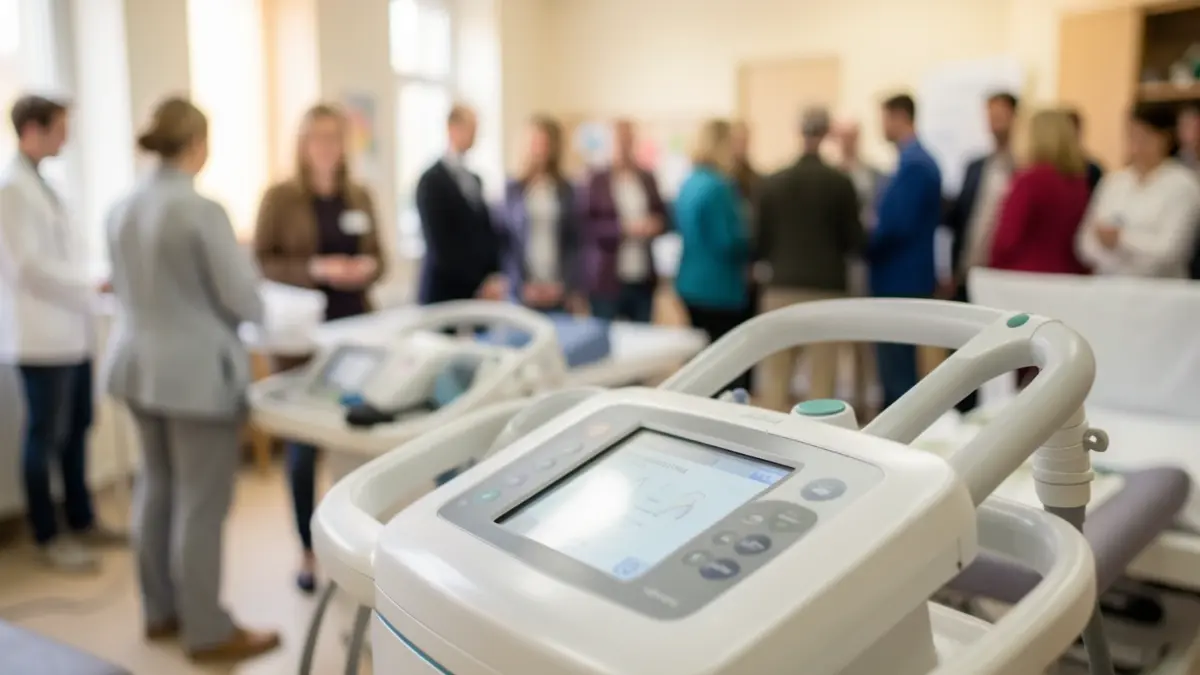
The ERP brought together a range of specialists, including physiotherapists, psychologists, occupational therapists, surgeons, and sports scientists, at the Manchester Institute of Health and Performance. Survivors consistently reported that the programme's personalised, holistic approach and elite sport environment were instrumental in rebuilding their lives.
Key lessons from the study emphasise the importance of addressing psychological and social wellbeing alongside physical injuries, the benefits of personalised goal-setting, and the effectiveness of multidisciplinary care. However, concerns were raised about the transition from specialist rehabilitation to existing NHS services, with some describing a 'cliff edge' feeling.
“"Recovery after major trauma involves much more than healing physical wounds. Psychological wellbeing, confidence, identity and social participation are all fundamental parts of rebuilding lives after injury."
Professor Jason Wong highlighted the resilience of survivors and the significant difference structured, multidisciplinary rehabilitation can make. He stressed the need for sustainable rehabilitation pathways to support survivors long after their immediate injuries have healed, ensuring improved long-term outcomes.
The programme received funding from the We Love Manchester Emergency Fund and Greater Manchester Clinical Commissioning Groups, with support from the NIHR Biomedical Research Centre (BRC): Manchester.