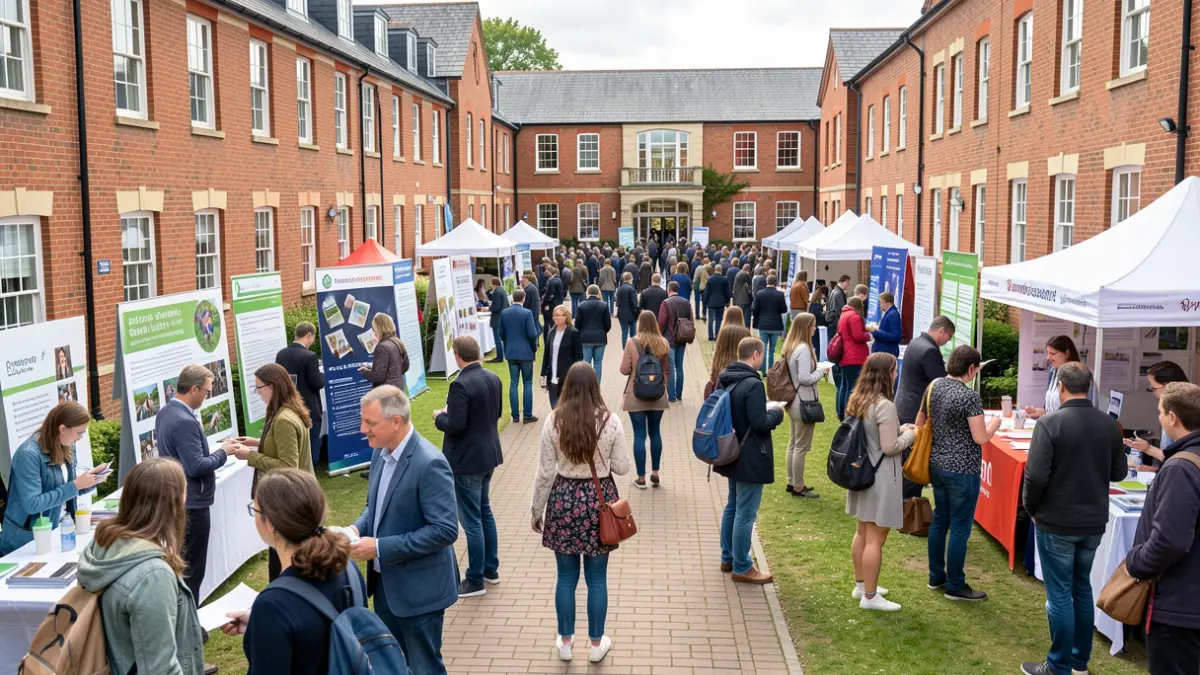
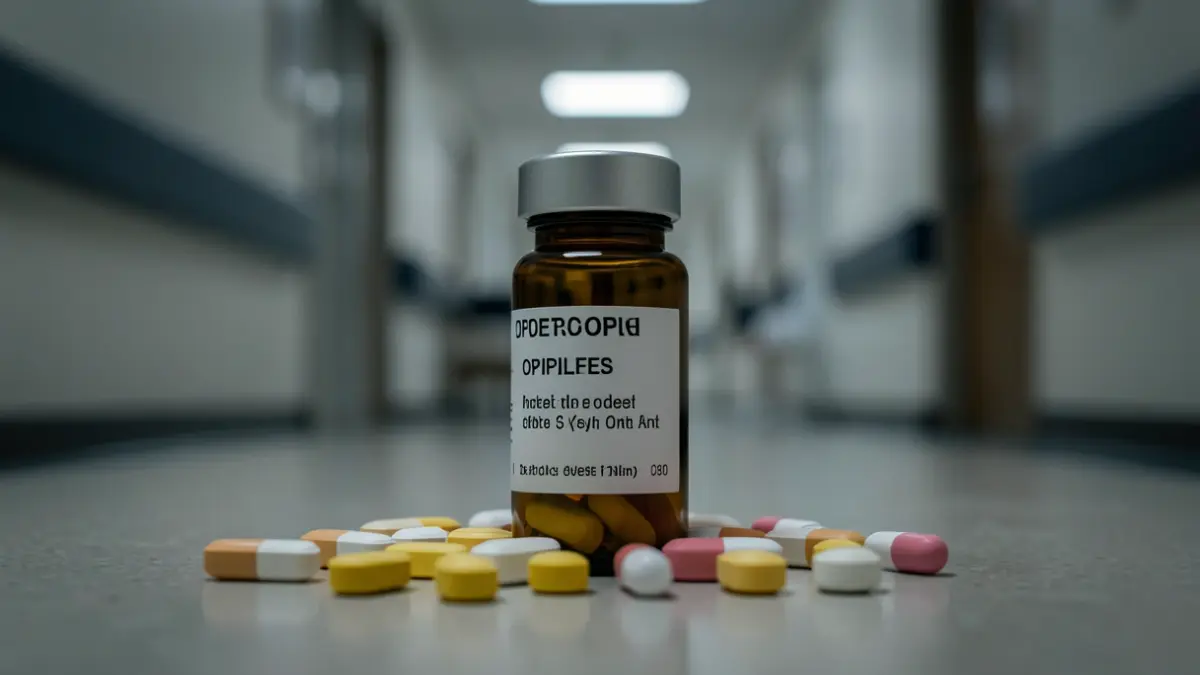
The initiative, which ensures patients receive the appropriate pain relief for the necessary duration, has been lauded for its success in reducing the risks associated with opioid medications. This collaborative effort involves GPs, community services, hospitals, pain services, community pharmacies, universities, Health Innovation Manchester, and NHS Greater Manchester, collectively aiming to enhance care for over 3 million people.
Charlotte Skitterall, Group Chief Pharmacist at Manchester University NHS Foundation Trust, expressed pride in the national recognition, highlighting the dedication of colleagues in the Pharmacy Medicines Safety team and partner organisations. "Most importantly, this work is helping people receive safer, more joined-up care for pain, reducing the risk of harm and improving outcomes for patients across Greater Manchester," she stated.
The initiative's success is attributed to several key strategies implemented since 2023/24. These include establishing leadership and shared data reporting to the integrated care board, ensuring clear information is provided to patients and their GPs upon hospital discharge regarding opioid prescriptions, and offering comprehensive education and resources through the Greater Manchester Medicines Management Group Pain Management Hub. Over 400 professionals have attended workshops, with 95% reporting practical learning.
The Greater Manchester Pain Collaborative, a joint effort by hospital, GP, pain, pharmacy, and academic teams, continues to refine opioid usage. Between October 2022 and September 2025, Greater Manchester saw a reduction of 4,001 opioid prescriptions (6.3%) and 1,345 fewer high-dose opioid prescriptions (30%). National modelling suggests this could save one life for every 62 individuals who avoid or stop opioid use.
For patients and staff, the initiative translates to safer prescribing, reduced risk during care transfers due to clear discharge information, better patient support through consistent information, increased staff confidence via shared guidance and training, and more efficient resource use. Estimated cost savings for opioid prescribing in Greater Manchester between June 2022 and June 2025 are modelled at £2.21 million.
Staff are actively implementing agreed discharge standards, discussing patient information leaflets, and recording prescription details to support safer, integrated care across the region.