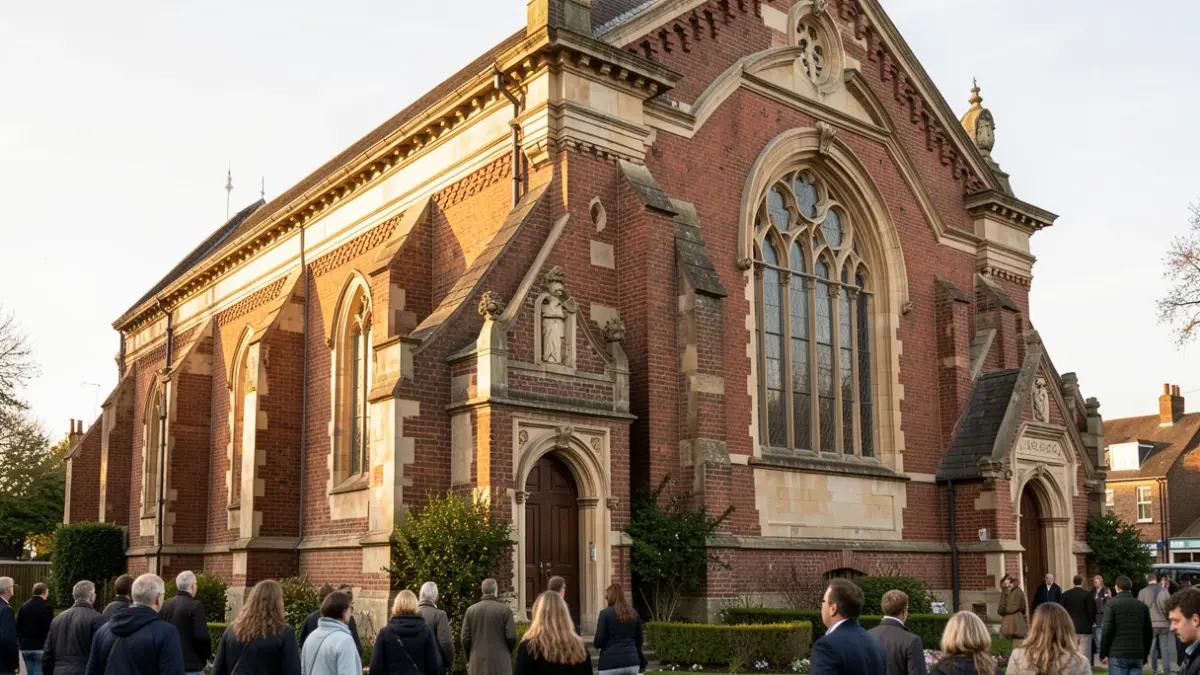

The University of Manchester's first Innovation Festival underscored the vital importance of collaboration in fostering innovation, with established industry relationships and new alliances with partner cities playing a key role. The event brought together 3000 attendees across 25 events, featuring 116 speakers who shared insights on innovation, investment, and collaboration. A significant announcement was the launch of a new £10 million Founders Fund to provide early-stage investment for University-affiliated ventures.
Professor John Holden, Vice-President for Civic Engagement and Innovation, emphasised that the University's impact is amplified through external partnerships. Over the past year, the University has formed 191 new business partnerships. It ranks highly nationally for industry collaboration, being second for contract research with SMEs and fifth for industry research funding.
Key to successful partnerships is time, which builds trust. Professor Simon Luckman, who has worked with Eli Lilly for around 20 years, highlighted the importance of open and honest exchange, stating that collaborations where information is withheld are 'disastrous'. Professor Alan Dickson spoke of building networks over decades, leading to strategic partnerships with companies like AstraZeneca and FUJIFILM, noting that academia brings scientific expertise while industry provides scale-up and regulatory knowledge.
Partnerships thrive when each side brings complementary strengths. The Partnership Excellence of the Year award recognised Saraco Industries for developing plastic-free clinical disinfection wipes in collaboration with Professors Sarah Cartmell and Andrew McBain. The RoundView project, led by Dr Joanne Tippett, partnered with Manchester City of Literature to test a sustainability tool with children and educators, demonstrating the value of trying, learning, and persevering.
Facilitating these connections is crucial. The University's innovation arm, Unit M, aims to bridge the gap between external organisations and academic researchers. Geraint North, involved in setting up Arm's Manchester site, noted how Unit M has expanded connections beyond traditional computer science. Similarly, the Innovate UK ICURe programme helps founders validate their ideas by connecting them with potential customers and partners, including researchers at the Henry Royce Institute.
Investors are also playing a vital role. Northern Gritstone has £382 million to invest in science and technology companies, offering support beyond just capital, such as talent acquisition and strategy shaping. The University's new Founders Fund, aiming to raise £10 million, will provide pre-seed investments starting in 2027, building on initiatives like the Ideas with Impact Awards. Companies like agritech spinout Spore Sense exemplify this progression.
The Cambridge x Manchester Partnership, the UK's first cross-city innovation partnership, aims to foster 'co-opetition' by leveraging the unique strengths of both cities. Director Faye Holland highlighted how this collaboration benefits founders, with companies like Fava Health and Spore Sense already seeing advantages. The partnership is developing an 'innovation passport' and a joint investment prospectus to further ease connections.
Professor Dame Jessica Corner of Research England views the Cambridge x Manchester partnership as an experiment to see if innovation can be driven from Cambridge to Manchester, judging success by venture capital movement and new investment. The partnership's objective is 'good growth', ensuring communities outside the innovation economy also benefit. Examples include the completion of the Sustainable Materials and Manufacturing Centre in Rochdale and the Turing Innovation Catalyst Manchester programme supporting AI careers.
Ultimately, successful partnerships depend on 'brave people' willing to reach out and persevere. Unit M serves as an 'open front door' to facilitate connections between industry, academia, and the wider community, supporting SMEs, start-ups, and researchers.