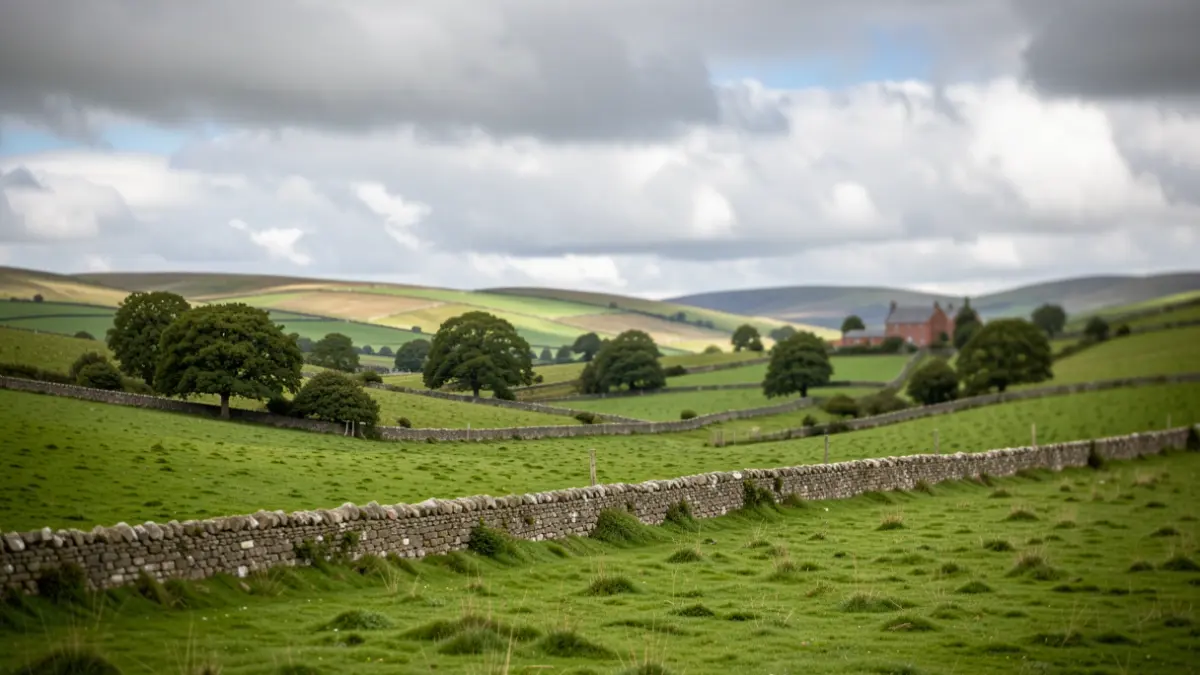
The Council is embedding nature recovery and biodiversity enhancement across its operations, aiming to support habitat restoration and creation throughout Westmorland and Furness. This initiative aligns with the Cumbria Local Nature Recovery Strategy, promising benefits for both people and wildlife.
The ten-year Nature Action Plan focuses on six key themes: restoring and connecting habitats, recovering species abundance and range, enhancing engagement with nature, investing in natural capital, sequestering carbon, and managing risks. The plan is a living document, undergoing annual reviews to ensure its actions remain relevant and effective.
Key achievements during 2025/26 include funding four organisations for nature-based actions, delivering a Nature Literacy programme for council officers, and planting over 150,000 trees, representing 61% of the total goal. The 'Noticing Nature' campaign has encouraged environmental engagement, while contractors are increasingly using native, climate-resilient species in new planting schemes.
Further initiatives involve improving biodiversity on school grounds in partnership with the National Education Nature Park and Morecambe Bay Partnership, publishing weed management and invasive species policies, and planting native flowers for pollinators. The Council's success in pollinator planting has earned it Defra’s Bees’ Needs Champions award for 2026. Trials are also exploring alternatives to chemical weed treatments on council land.
These efforts are underpinned by key strategies, including Cumbria’s Local Nature Recovery Strategy, which acts as a blueprint for nature recovery across the county, and Climate Action Plans aiming for net zero by 2037.
“"It's brilliant to see the positive progress being made through the Nature Action Plan. Protecting and restoring nature requires long-term commitment, strong partnerships and action at every level, and it's fantastic to see meaningful steps being taken across the area to support biodiversity, strengthen habitats and increase engagement with nature."
Partnership working remains central, with the Council collaborating with organisations such as the Cumbria Local Nature Partnership, Cumbria Wildlife Trust, Cumbria Biodiversity Data Centre, Natural England, Cumberland Council, Lake District National Park Authority, and Yorkshire Dales National Park Authority on initiatives like resurveying Cumbria’s County Wildlife Sites.
“"The Nature Action Plan provides an important framework for turning ambition into action, helping to create a greener, more resilient future for Westmorland and Furness. By working together, we can make a real difference and deliver lasting benefits for wildlife, communities and future generations."