The Pacific Winds of Change project will work with communities across the Pacific to explore how traditional knowledge can support the safe adoption of modern wind propulsion systems, such as wing sails and suction sails. These technologies are gaining interest globally as the shipping industry seeks to reduce fuel consumption and greenhouse gas emissions.
Studies suggest that wind propulsion technology, combined with optimised operating strategies, could cut annual fuel consumption by more than 30% on suitable vessels and routes. In the Pacific, this technology also offers potential safety and resilience benefits by providing supplementary propulsion in certain circumstances, including following engine problems.
Professor Alice Larkin said: “Modern wind propulsion has huge potential for Pacific Island shipping in the fight against climate change and to build resilience, but introducing new technology is only part of the challenge. Crews will need to adapt skills and understanding to take full advantage of new propulsion technologies, particularly when conditions become difficult.”
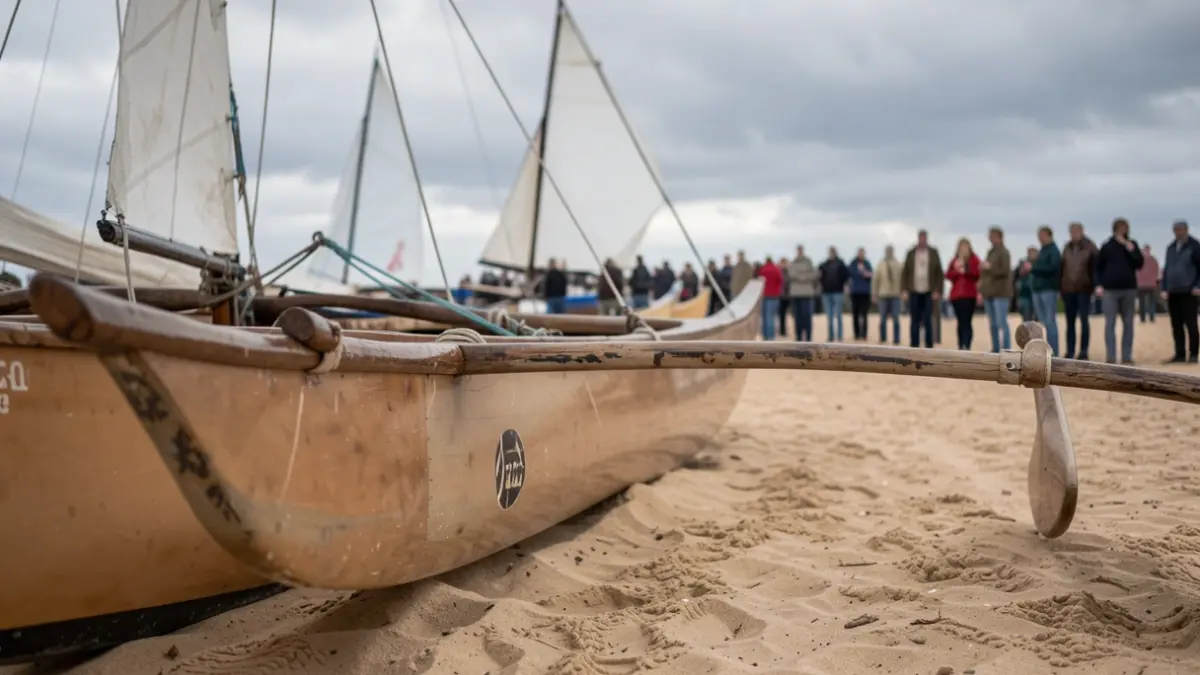
The project focuses on three strands of work: learning from Pacific sailing heritage, identifying where modern wind propulsion could work best, and identifying crew training needs. The findings will produce an open-access digital platform bringing together heritage insights, training guidance and analysis of different shipping routes.
The platform will include a range of training resources from immersive virtual reality scenarios for practising complex procedures to shorter simulations or videos for routine safety training, all produced by The University of Manchester’s Data Visualisation Observatory. The resources will be designed so that maritime practitioners, policymakers, trainers and community organisations can reuse and adapt them.