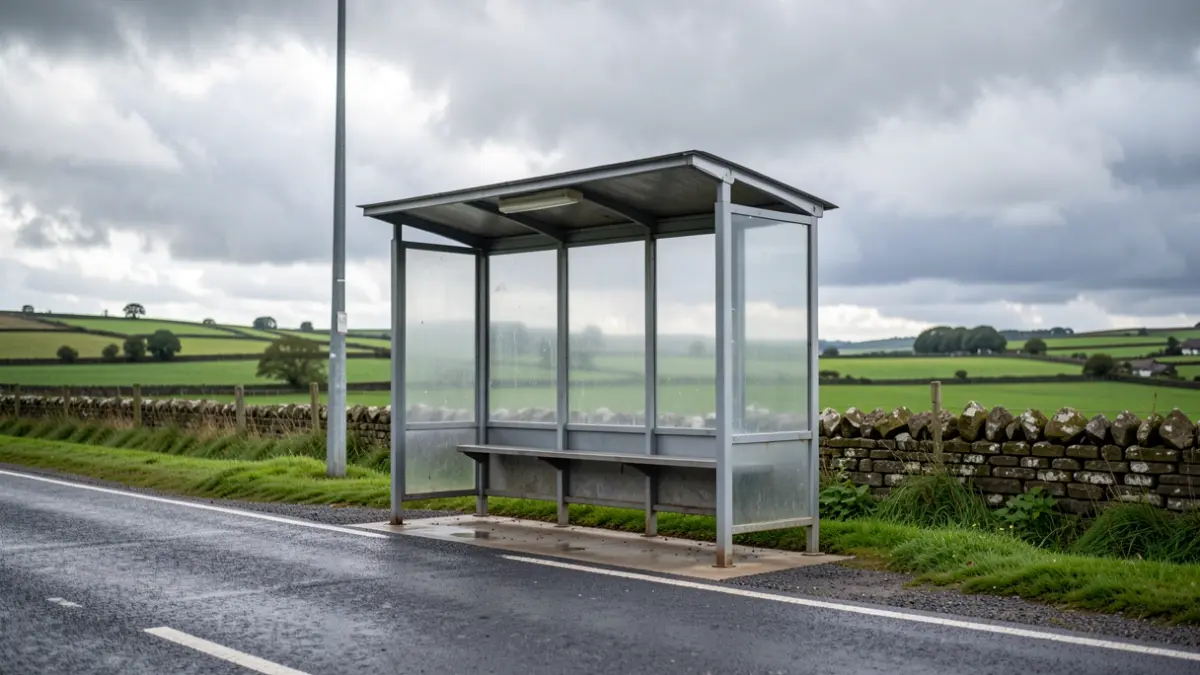
The contracts, which will run for 12 months from their individual start dates, aim to help residents access employment, education, healthcare, and other essential services. The council received 51 tenders from four bus and coach operators following a competitive procurement exercise.
Services receiving continued council support include the 30 (Frizington to Workington Sunday service), 600 (Carlisle, Cumberland Infirmary, Cockermouth, Whitehaven and West Cumberland Hospital), 22/22A (Whitehaven, West Cumberland Hospital, Egremont, Cleator and Cleator Moor), 60 (Silloth to Maryport), 300 (Workington to Carlisle with increased frequency), C123 (Cockermouth town service), X7 (Whitehaven to Millom), 7 (Barrow to Millom), M1 (Millom town service), 32 (Whitehaven, St Bees and Egremont), 1/1A (Whitehaven, Parton, Rosehill Theatre, Moresby Parks and Harras Moor), 68 (Cockermouth to Maryport), and HW1 (Carlisle, Irthington, Brampton, Gilsland, the Roman Army Museum and Walltown Country Park).
Despite Government revenue funding remaining the same, less funding is available this year due to the allocation of two years' worth of funding in the previous financial year. Consequently, not all services could be maintained. Services were prioritised based on council funding required and passenger journeys to ensure the best value and benefit.
Council support will not be renewed for several existing services, including the 64 enhancements serving Cargo, Rockcliffe and Durdar (last day of operation Saturday 2 January 2027), MD1 (Maryport to Dearham, with the council intending to continue the service until the end of December subject to procurement), 93AM (Carlisle, Kirkbride and Anthorn morning peak journeys, last day Friday 18 December 2026), 93S (Sunday service between Carlisle, Kirkbride and Anthorn, last day Sunday 29 November 2026), 71 (Carlisle, Kirkbride and Wigton, last day Saturday 2 January 2027), and DR1 (Carlisle city centre to South Carlisle Health Centre, last day Thursday 31 December 2026).
Cumberland Councillor Denise Rollo, Executive Member for Sustainable, Resilient and Connected Places, acknowledged the difficulty of the decision, stating, “Bus services are a lifeline for many of our communities, connecting people with work, education, healthcare, shops and family and friends.” She emphasised that the decision was made through a fair and consistent process, taking into account passenger demand, value for money, and available funding.
Councillor Rollo added, “I’m pleased that this investment will protect a wide range of important connections across Cumberland and make the best possible use of public money. We remain committed to exploring every realistic funding and delivery option available, including opportunities through Cumberland Go, so that we can maintain as much connectivity as possible.” She encouraged residents to use and support these services to demonstrate continuing demand for public transport.
Supported bus services contribute to the Cumberland Plan by improving access to employment, education, healthcare and essential services, reducing rural and social isolation, supporting sustainable travel, and helping to create inclusive communities.